
Clarity
A clearer picture of the barriers behind withdrawal, low motivation, academic disengagement or uncertainty.
MAHATMA is designed for students who feel disconnected, overwhelmed, unmotivated or simply misunderstood. The program begins by understanding the person behind the performance and then builds a practical path forward with the student and family.

Students can withdraw from study or lose direction for reasons that are not visible in marks, attendance or behaviour alone.
MAHATMA takes its name from “Maha” — great — and “Aatma” — soul. The initiative is built around respectful, age-appropriate conversations that explore the student’s context, routines, pressures, confidence, relationships, goals and support system. Where appropriate, the process also includes consultation with parents or caregivers so that the improvement plan is realistic at home as well as in the classroom.

A thoughtful conversation can reveal what academic performance alone cannot show.
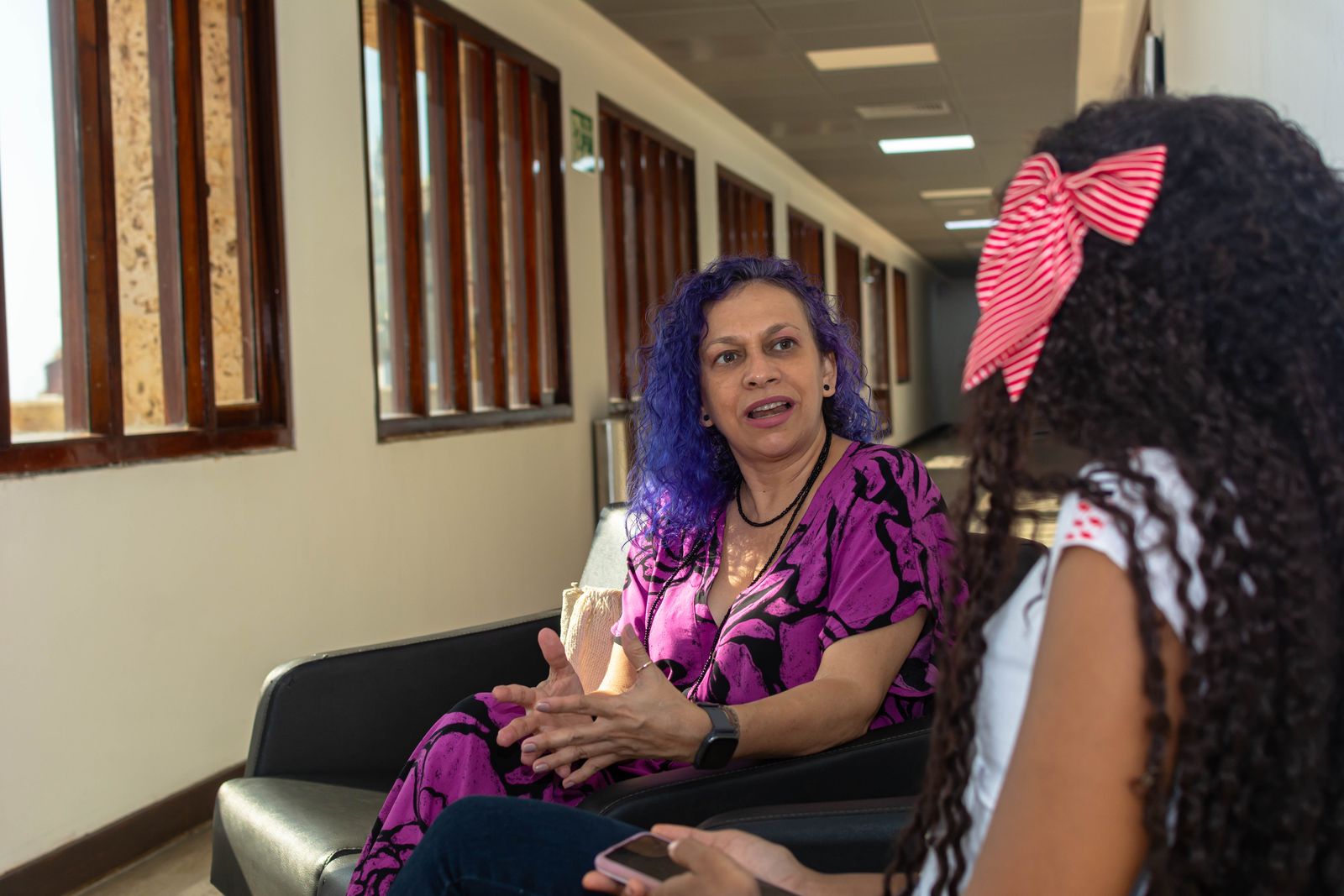
Respectful guidance creates space for students to explain pressure, uncertainty and changing motivation.

The goal is a realistic route back to participation, confidence and learning.
Create a respectful space for the student to explain what has changed, what feels difficult and what they wish adults understood.
Map routines, learning patterns, stressors, confidence, goals, relationships and practical barriers without reducing the student to one score or one incident.
Where appropriate and with sensitivity to the student’s age and context, bring parents or caregivers into the conversation to improve understanding and support.
Build a realistic improvement plan across study habits, routine, communication, confidence, exposure, mentoring or specialist support where needed.
Follow up on progress, identify what is helping, revise what is not and keep the student involved in decisions about the next step.
Every student’s roadmap can look different because the reason behind disengagement can be different.
A clearer picture of the barriers behind withdrawal, low motivation, academic disengagement or uncertainty.
A structured space for the learner to be heard without immediately turning the conversation into correction.
More useful communication between student and family, with practical actions rather than repeated conflict.
Small, trackable steps tailored to the student’s needs, environment and goals.
A route toward mentors, educators or appropriately qualified wellbeing professionals when needs go beyond guidance.
Follow-up that allows the plan to evolve instead of treating one conversation as the complete solution.
Elite E² can help students and families understand concerns, organise support and build an improvement roadmap. Psychological or psychiatric diagnosis, therapy, medication and emergency intervention should be handled by appropriately qualified professionals. Where a concern appears urgent or clinical, referral to suitable professional care should take priority.
Schools and colleges often see the change before they understand the reason. A structured support pathway can help.Institutions can discuss age-appropriate student wellbeing sessions, referral pathways, parent conversations and follow-up frameworks with Elite E².